Burnout in the Nonprofit Sector: A Leadership Responsibility
Burnout in the nonprofit sector is a structural challenge, not a personal failing. Explore UK data, root causes, and practical leadership strategies to protect staff wellbeing, improve retention, and safeguard mission delivery.
Why charity leaders must treat staff wellbeing as a strategic priority - not a “nice to have”.
Burnout is no longer an individual problem within the charity sector. It is a structural and strategic leadership issue.
Nonprofits operate under extraordinary pressure: chronic underfunding, rising demand, emotional labour, compliance obligations, and public scrutiny. This is all the while trying to deliver maximum impact with minimal resources.
If the systems and structures that shape charity work remain unchanged, burnout will continue to threaten mission delivery.
The State of Burnout in UK Charities: What the Data Shows?
Burnout in the nonprofit space is real and measurable.
“Average absence levels have increased to 9.4 days per employee per year, compared with 7.8 days in 2023 and 5.8 days in 2022.
Mental ill health is the top cause of long-term absence (41% of respondents citing it within the top three causes). Additionally, mental ill health is the second main cause of short-term absence (29%), with stress a major cause of both short- and long-term sickness absence (26% and 28%, respectively).”
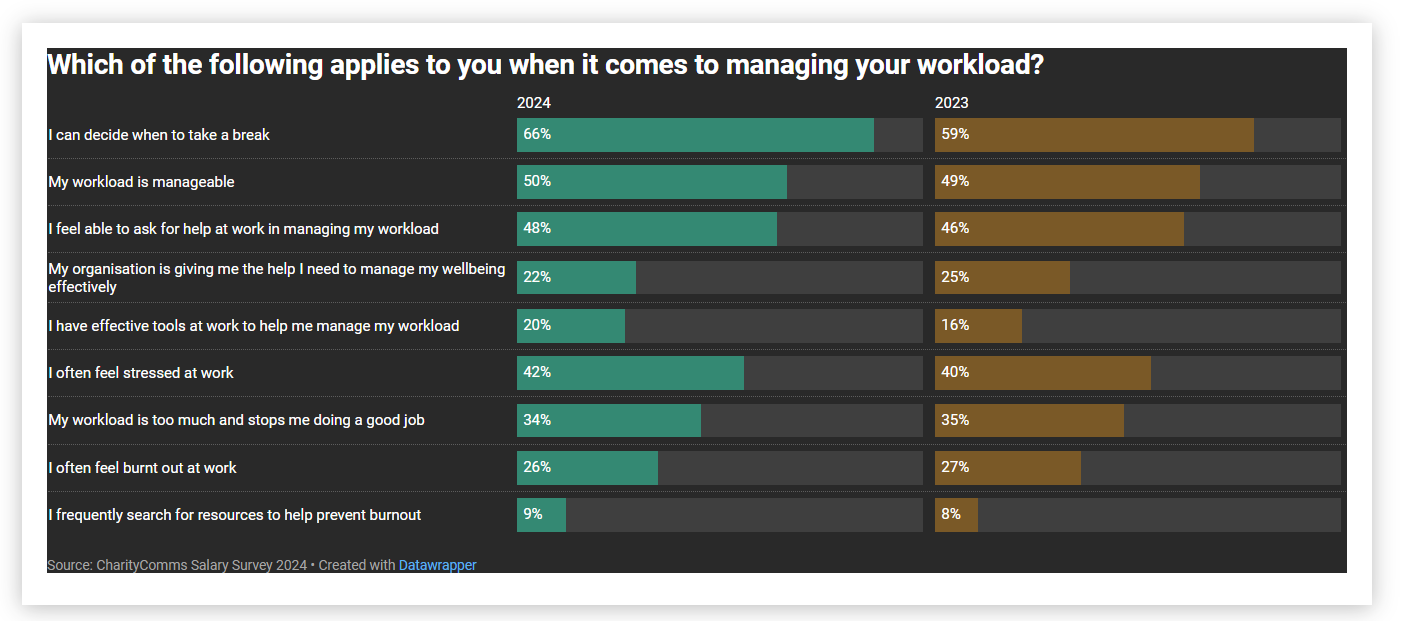
42% of charity staff reported feeling stressed or overwhelmed at work in 2024.
The data above highlights the following insights:
Autonomy without capacity isn’t wellbeing; it’s responsibility displacement.
At first glance, the data looks positive: 66% of staff say they can decide when to take a break (up from 59% in 2023). Yet 42% still say they often feel stressed at work, and 34% say workload stops them from doing a good job.
This suggests charities are offering individual-level flexibility without fixing system-level overload. Staff may be “allowed” to take breaks, but workloads remain so heavy that breaks don’t meaningfully reduce pressure.
Psychological safety is improving; organisational support is not
Nearly half of respondents (48%) feel able to ask for help managing their workload, a small but positive year-on-year increase. However, only 22% believe their organisation provides the support they need to manage their wellbeing, down from 25%.
That means staff feel safer asking for help, but don’t believe help will actually arrive.
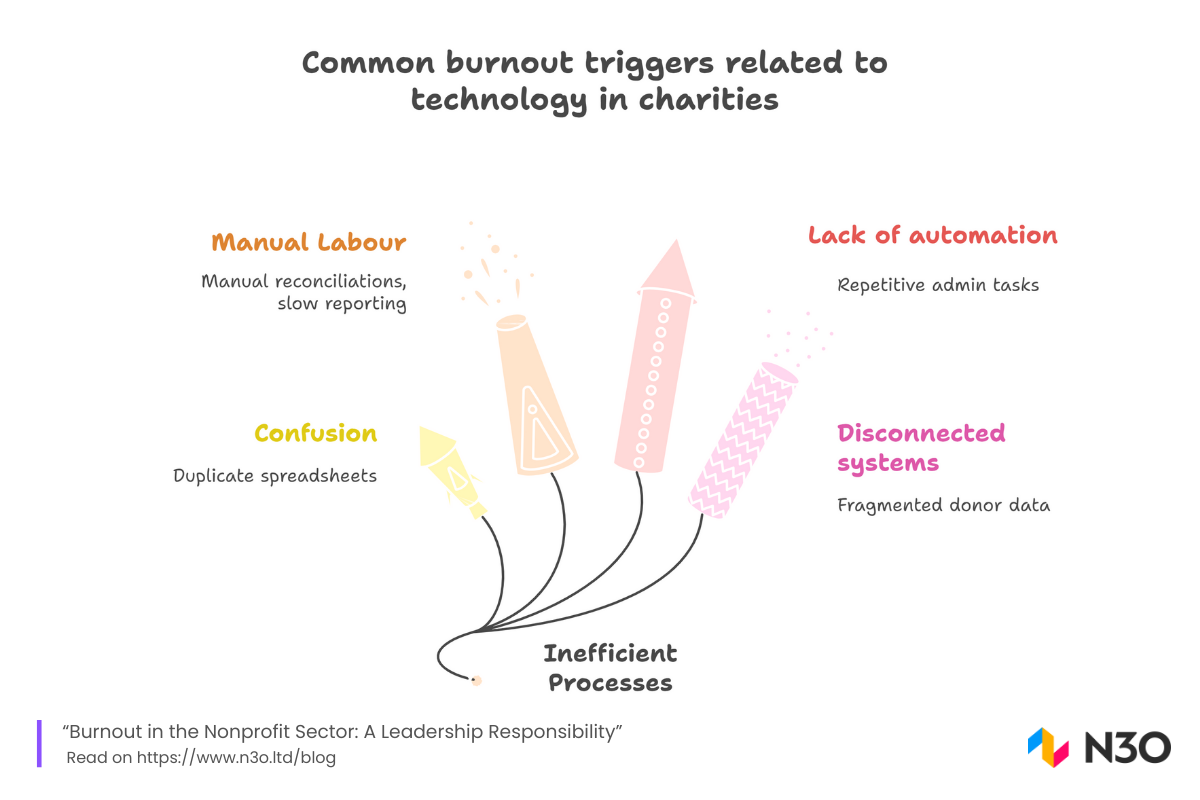
Tools are a hidden burnout multiplier.
Only 1 in 5 staff (20%) say they have effective tools to manage their workload, even though this is a slight improvement from 2023.
This is one of the clearest structural burnout drivers in the data. Poor tooling doesn’t just slow work; it amplifies stress, forces longer hours, and shifts cognitive load onto people rather than systems.
The data implies that many UK charity staff are being asked to manage modern workloads with outdated or fragmented infrastructure.
Burnout here isn’t emotional; it’s operational, indicating that digital maturity and process investment are burnout prevention strategies, not “nice-to-haves. This data also shows that burnout has stabilised, but at an unacceptably high baseline.
Reported burnout (26%) and “workload too much” (34%) are largely unchanged year-on-year. This isn’t improvement, it’s stagnation. Burnout hasn’t worsened because staff have likely adapted, absorbed the pressure, or disengaged quietly.
Stability at this level signals normalised overload, not resilience. It doesn’t mean the problem is solved; it means people have stopped expecting it to change.
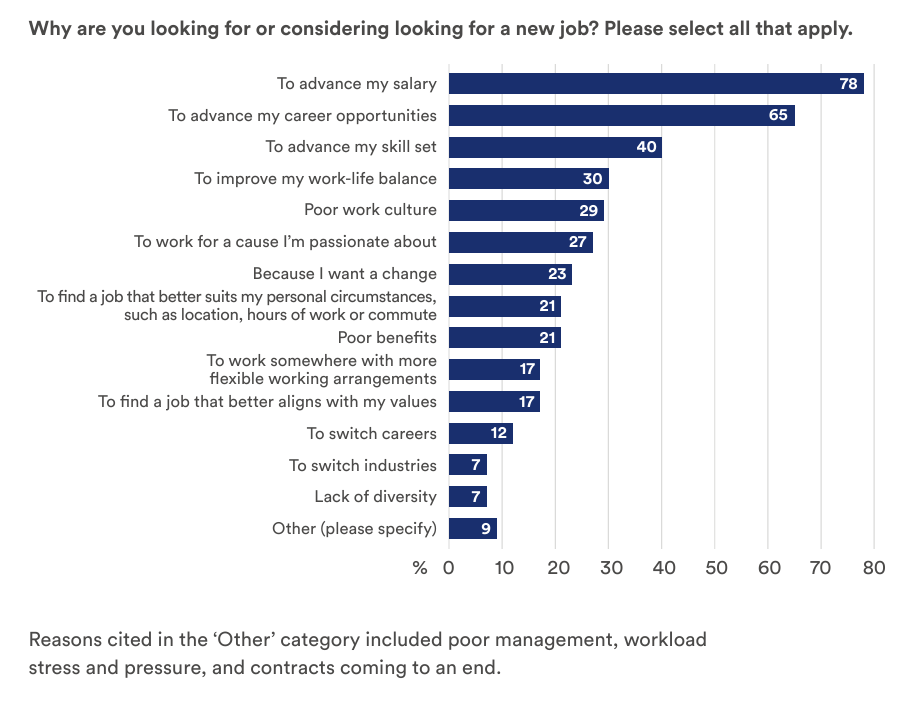
Most reasons charity staff give for wanting to leave are organisational issues that leaders control, such as poor work-life balance, an unhealthy culture, and limited progression and flexibility. These aren’t signs of individual disengagement; they’re early burnout signals rooted in workload and culture design. In an emotionally demanding sector, this reinforces a simple truth: burnout isn’t personal, it’s a leadership responsibility.
The evidence is clear: burnout isn’t a “people issue”. It is a mission-critical operational risk.
Why Burnout Hits Nonprofits Harder?
Burnout is defined by the World Health Organisation as a workplace syndrome resulting from “chronic workplace stress that has not been successfully managed.
It is characterised by three dimensions:
feelings of energy depletion or exhaustion;
increased mental distance from one’s job, or feelings of negativism or cynicism related to one's job; and
Charity environments combine a perfect storm of contributing factors as follows:
1. Emotional Labour That Never Switches Off
Frontline teams, fundraisers, and community workers carry a heavy emotional load.
This leads to:
Empathy fatigue (charity teams care deeply and passion can blur boundaries. Many staff report difficulty switching off because the cause feels too important.)
Pressure to maintain relationships
Moral responsibility to sustain income and “do more.”
Exposure to emotionally sensitive stories
Blurred boundaries between work and personal life
Fundraisers, in particular, experience relational intensity that is seldom acknowledged in job design. This “emotional juggling” is not soft work - it is psychologically taxing labour.
2. Chronic Underfunding & ‘Doing More With Less.
Charities consistently operate under-resourced:
Leaner teams mean heavier workloads, a direct driver of burnout. Charities Aid Foundation (CAF) surveyed 784 charity leaders and 86% said that their charities had recorded increased demand for their services over the last 12 months, with 54% of those reporting that it had risen by “a lot”, indicating UK charities face rising demand without matching income increases.
This results in:
Role overload
Constant firefighting
Staff covering multiple functions
No space for strategic work
When resources shrink, burnout fills the gap.
3. Compliance, Governance, and Reporting Pressure
Safeguarding. GDPR. Regulatory filings. Financial audits. And more. The admin burden is immense, often falling on already stretched staff. This creates cognitive load and administrative strain that quietly consumes organisational energy.
4. Pay Inequity and Financial Stress
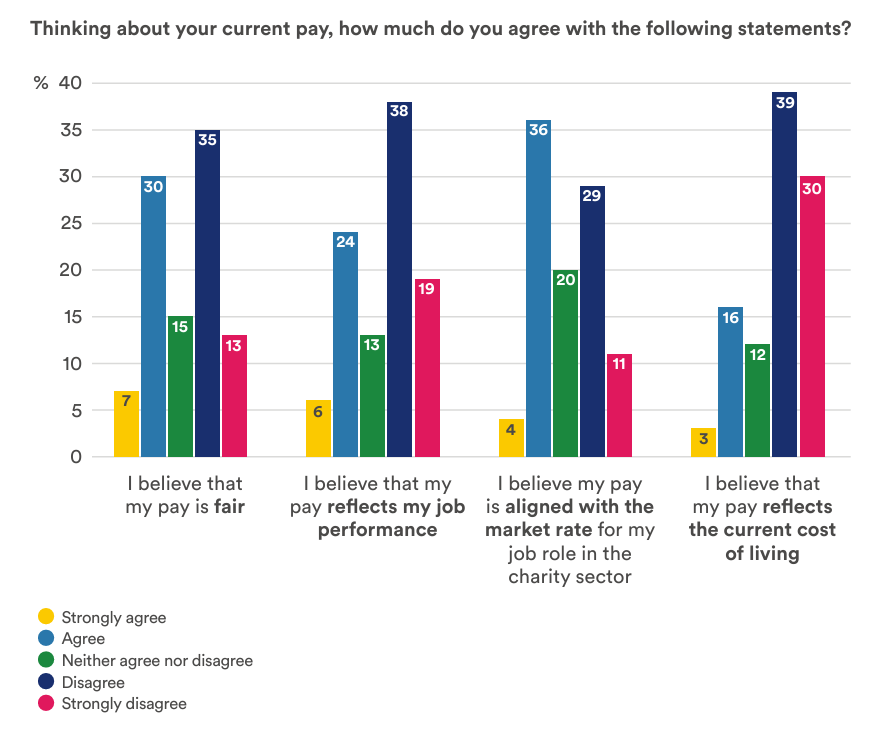
“While over 70% of surveyed charity professionals received a pay increase in the past year, satisfaction with pay is low. Nearly half (48%) of respondents don’t believe their current pay is fair.
Dissatisfaction was significantly more pronounced among those in lower salary brackets.”
Burnout Is a Leadership Issue: Not a Staff Weakness
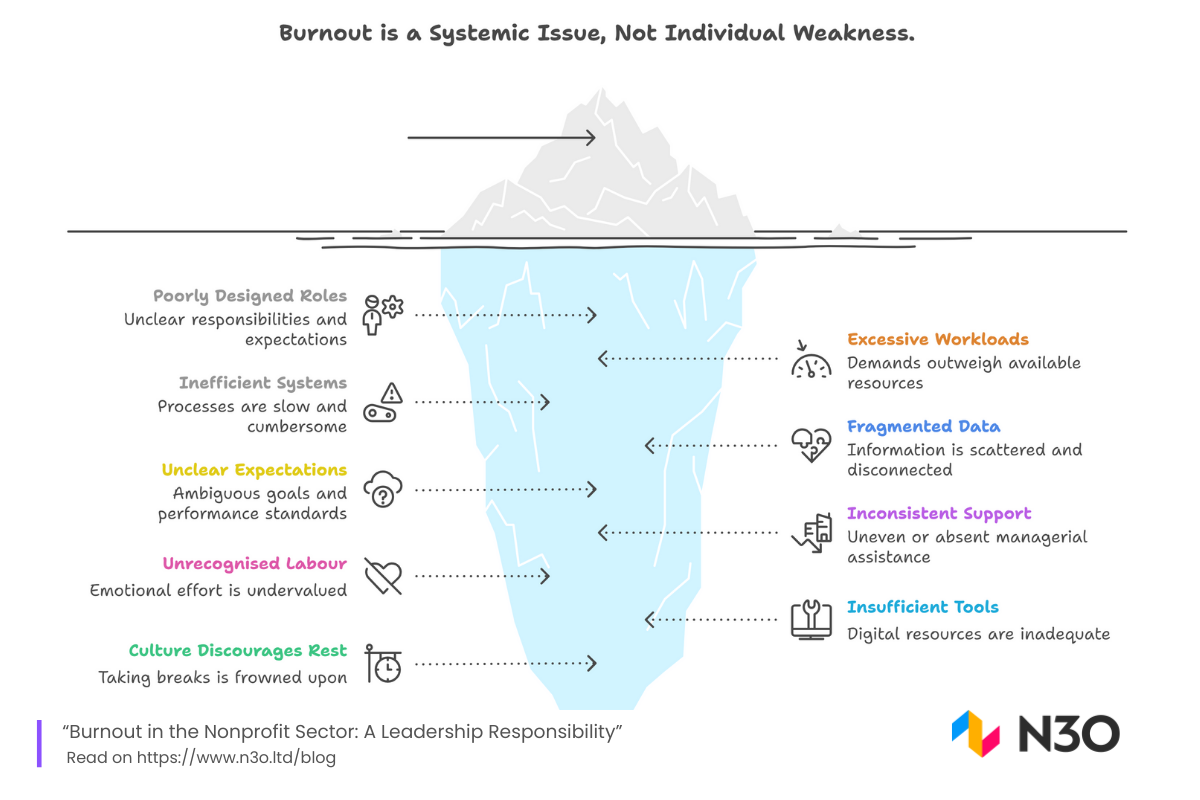
Burnout does not occur because workers lack resilience. It occurs because of the following systemic reasons.
These are leadership responsibilities.
A well-governed organisation sets conditions that make burnout less likely, not inevitable.
The Leadership Responsibility: How Charities Can Systemically Reduce Burnout?
Preventing burnout is about how leaders design work, culture, and systems. Below is a practical, low-cost framework grounded in UK nonprofit research and strengthened with proven leadership practices used across the sector.
Boards should go beyond “noting concerns” and implement governance signals, such as:
Adding well-being, voluntary turnover, and sick-leave rates to the board dashboard
Requiring quarterly reporting from the CEO on workforce health
Requiring a quarterly “capacity & systems health” report covering digital maturity, fundraising pressure points, and operational bottlenecks, so trustees can intervene early rather than react after burnout occurs
Linking a portion of executive performance incentives to sustainable outcomes (e.g., retention, manageable workloads)
Board members modelling boundaries themselves (no expectation of out-of-hours availability)
Why it matters: When the board tracks something, it improves, and staff wellbeing should be no exception.
2. Design Roles Around Capacity, Not Crisis
Many charity roles are built for burnout: vague remits, too many hats, unrealistic deadlines. Multiple studies across sectors, from healthcare to academia, find that role clarity is strongly linked to greater job satisfaction, commitment, and organisational embeddedness - all predictors of retention.
Leaders can reduce burnout by:
matching tasks to real capacity
removing unnecessary admin
ring-fencing strategic/project time
prioritising work instead of piling it on
Instead of defaulting to “hire one overworked generalist,” invest in role clarity from recruitment onwards:
clearly defined remit + measurable outcomes
realistic workload expectations
fixed-term or surge support during emergency campaigns to prevent long-term role inflation
benchmarking pay/benefits against peers (even small adjustments reduce churn significantly)
A well-designed role protects well-being far more effectively than any wellness campaign.
Leaders should create structures that protect emotional energy:
regular debrief or reflective practice sessions
realistic targets
supervision grounded in psychological safety
recognition of emotional labour as legitimate work
Introduce clear escalation pathways for crisis fundraising so that emergency pressure does not default to the same small group every time. This is not a “nice to have.” It’s burnout prevention.
4. Use Technology to Remove Manual Work
Burnout often comes from poor systems, not poor staff.
The report identifies persistent skills shortages, leadership hesitancy, and chronic under-investment in technology as the key barriers holding organisations back, all of which directly contribute to unnecessary manual workload and staff strain. In short, digital improvements have one of the highest returns on staff time.
Outsource or pool specialist functions (payroll, compliance) where economies of scale exist
Implement escalation protocols for emergency workload
Even small digital shifts, such as a unified CRM, automated reporting, and integrated donation flows, can save hours each week and dramatically reduce stress.
5. Train Managers to Be Wellbeing Protectors
Gallup research consistently highlights that managers account for an "astounding 70% of the variance in team engagement.” This means a manager's behaviour is the single most important factor in whether an employee is engaged with their work.
Most charity managers haven’t been trained in:
workload balancing
emotionally intelligent communication
trauma-informed practice
early burnout detection
psychologically safe supervision
Disengagement cost the world economy $438 billion in 2024, and improving manager capability is one of the fastest ways to reverse that.
Light-touch development can transform both team experience and retention. “Disengagement cost the world economy $438 billion in 2024. Global employee engagement fell two points to 21% last year, with lost productivity costing the global economy $438 billion.
Engaged employees produce better business outcomes than disengaged employees, and engaged teams have a measurable impact on organisational performance.
According to Gallup research, the path to a global productivity boom is to:
Ensure all managers receive training to cut extreme disengagement among managers in half.
Teach managers effective coaching techniques to boost their performance by 20-28%.
Increase manager well-being by 32% through ongoing manager development.
Leadership should also ensure:
Protected, non-negotiable time for 1:1s and supervision
Simple diagnostic rubrics for identifying early burnout signs (withdrawal, reduced quality, poor sleep, behaviour changes)
Short, practical training focused on coaching conversations and boundary-setting
6. Make Rest a Cultural Standard, Not a Reward
Healthy cultures make rest normal, not a sign of weakness. Research from Mental Health UK and CIPD shows that organisations with strong wellbeing cultures see lower long-term sickness and increased retention.
Practical cultural standards include:
no-after-hours emails
protected lunch breaks
minimum annual leave usage
reset time after emotionally heavy work
regular well-being check-ins
Embed restorative practices through:
no-meeting days
confidential counselling/EAP access
structured “post-campaign cooldowns” with wellbeing learnings baked in
When leaders model rest and boundaries, the rest of the organisation follows.
Practical Frameworks to Prevent Burnout
The Job Demands–Resources (JD-R) Model: A Practical Lens for Preventing Burnout
The Job Demands–Resources (JD-R) model is one of the most widely used frameworks for understanding burnout. It explains burnout not as an individual failing, but as the predictable result of how work is designed.
At its core, the model shows that burnout occurs when job demands consistently outweigh available resources. This makes it especially relevant for charities, where high emotional labour and limited capacity often coexist.
Job demands are the aspects of work that require sustained effort, such as heavy workloads, emotional intensity, time pressure, role overload, and administrative burden from poor systems.
Job resources are the factors that help people meet those demands and stay engaged, including supportive management, autonomy, clear roles, training, and effective tools like CRMs and automation.
The model highlights a crucial distinction: demands drive exhaustion, while resources protect engagement. Charity work is often high-demand by nature; burnout emerges when there aren’t enough resources to absorb that pressure.
In practice, this means:
A fundraiser handling emotionally intense donor conversations is far more resilient when they have realistic targets, reflective supervision, and clean data systems.
A small team running multiple campaigns is less likely to burn out when roles are clearly defined, and repetitive admin is automated.
Staff facing peak-period pressure cope better when leaders prioritise workload trade-offs rather than expecting everything to be “urgent”.
Applying the JD-R Model in Charities
The JD-R model's strength lies in its simplicity. Leaders can use it as a quick diagnostic:
Identify the main demands placed on each role.
Identify the resources available to meet them.
Spot where demands consistently outweigh support, this is where burnout risk concentrates.
From there, action is practical and targeted: reduce unnecessary demands, strengthen key resources, and rebalance workloads during peak periods. Even small changes made at the right pressure points can significantly reduce burnout risk.
The PERMA Wellbeing Model: Moving Beyond Burnout Prevention
The PERMA model, developed by psychologist Martin Seligman, is a foundational framework in positive psychology. Rather than focusing solely on reducing stress or preventing burnout, PERMA examines what enables people to function well and sustain energy over time.
Why PERMA matters for charities
Charity work already scores highly on Meaning, but often falls short on the other four pillars due to workload pressure, limited resources, and weak systems.
This imbalance is where burnout creeps in.
For example:
A fundraiser may deeply believe in the cause (Meaning) but still burn out if targets are unrealistic (Accomplishment) or support is lacking (Relationships).
A programme officer may care deeply about beneficiaries but disengage if their role is dominated by admin rather than strengths (Engagement).
How it works in practice
Organisations can use PERMA as a design lens for leadership, culture, and systems. They can apply it by:
Positive emotion: recognising progress and effort, not just outcomes
Engagement: aligning roles with strengths and reducing unnecessary admin
Relationships: building supportive, psychologically safe teams
Meaning: connecting everyday tasks to real impact, not just mission statements
Accomplishment: setting clear, achievable goals so progress feels tangible
Burnout Prevention Is Mission Protection
Burnout is not a personal failure of staff; it is a predictable outcome of structural conditions that can be proactively managed.
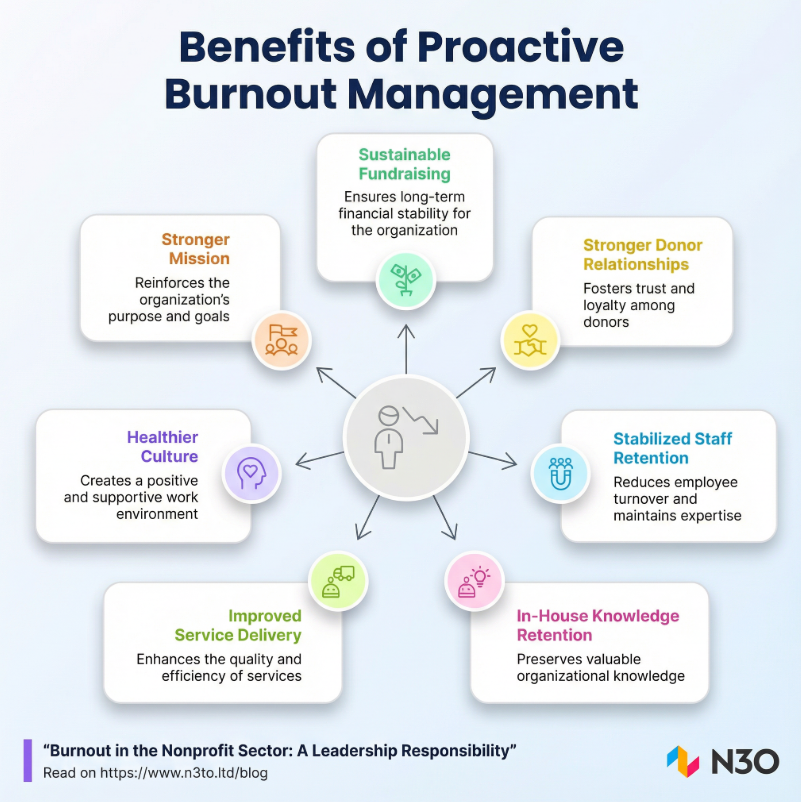
Burnout is not an unavoidable by-product of mission-driven work. It is, in large part, a symptom of leadership choices: how we design roles, allocate resources, equip managers, and reward behaviours. Boards and executives who treat workforce wellbeing as a governance and strategic priority reduce turnover, improve performance, and protect mission delivery.
About the author
Aqsa Deen
Content Marketer
Aqsa Deen is a skilled content marketer and writer at N3O, specialising in research-backed long-form content that helps charities amplify their impact through engaging narratives. When not crafting content, Aqsa indulges in the art of Islamic calligraphy and Illumination, blending creativity and tradition in every stroke.
Follow us
Continue your reading with these value-packed posts

.webp)
_%20Blog.png)